Progressive Driving Lessons: copyright for Our Professional Driving Course Now!
Structured driving lessons provide a structured approach to learning how to operate a vehicle. Joining an instructor-led program can considerably develop a learner's skills and confidence. The program is meticulously planned to address fundamental and complex driving methods, accommodating different skill levels. Knowing what these courses involve can be incredibly valuable. There are multiple essential factors that contribute to effective learning and preparation for a driving test.
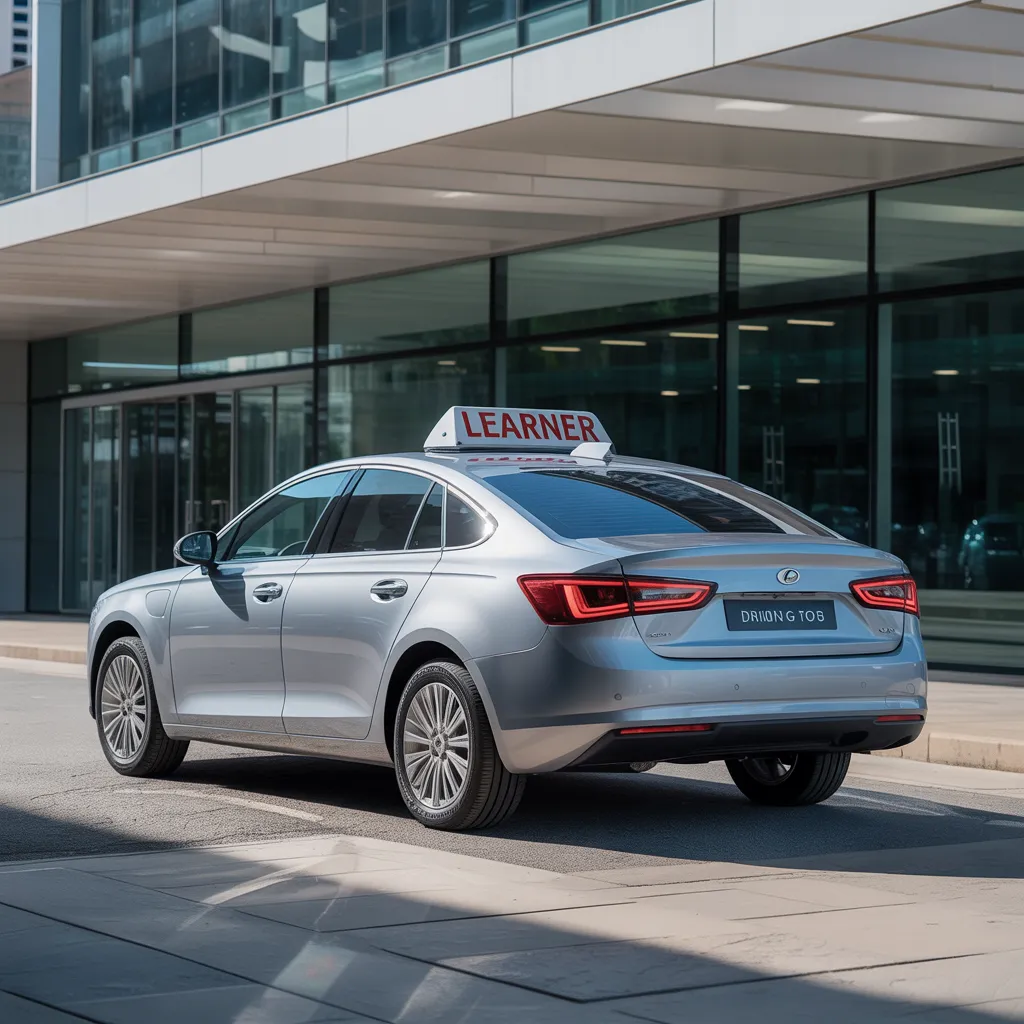
What to Anticipate in Your First Driving Lesson
As soon as a student enters their first driving lesson, they may feel a mix of excitement and anxiety. The classroom environment, usually shared with fellow learners, establishes the backdrop for a transformative experience. Instructors typically start with introductions, explaining the program framework and safety procedures. Students can expect to receive learning resources, including guides and reference sheets, which will function as important guides throughout their training.
The initial focus is mainly on familiarizing students with the vehicle's controls, essential road signs, and fundamental traffic laws. Instructors may also emphasize the significance of keeping a composed attitude while driving. Learners are invited to raise questions, creating a positive learning environment. Following the classroom instruction, many classes include hands-on practice, where learners get acquainted with the automobile in a supervised environment. This integration of theoretical and practical training readies learners for the road ahead, building self-assurance as they embark on the road to becoming responsible and capable drivers.
Driver Training Curriculum: Beginner to Advanced
A thorough driver training program involves a advancement from fundamental skills to higher-level skills, so that drivers develop a solid understanding before addressing more complex road situations. Initially, participants concentrate on fundamental vehicle control, including steering, deceleration, and throttle control. They are introduced to essential road regulations, traffic signs, and defensive driving techniques, delivering a complete grasp of the rules of the road.
As students demonstrate capability in these foundational areas, the curriculum advances to more advanced techniques. This encompasses navigating different road surfaces, dealing with difficult weather circumstances, and mastering defensive driving techniques. Additionally, drivers gain experience with high-speed roadways and complicated intersections, improving their capacity to think swiftly when faced with difficult conditions.
Within the course, educators emphasize the value of awareness of surroundings and safe driving practices. This systematic framework prepares students not only to pass their driving tests but also to develop into skilled and assured drivers in a range of driving situations.
Building Confidence as a New Driver
Beginner drivers frequently encounter difficulties when it comes to building confidence on the road. The early stages of driving can feel daunting, as there are many responsibilities to handle and an ongoing demand for concentration. In order to ease nervousness, novice drivers may find value in a measured, step-by-step introduction to a range of driving conditions. Starting in low-traffic areas allows them to develop basic skills without the pressure of more complex environments.
Consistent practice is crucial; the more time spent driving, the more familiar and comfortable they become with their vehicle and surroundings. Moreover, participating in professionally guided driving lessons delivers structured instruction and knowledgeable support, nurturing a sense of reassurance. Positive reinforcement from instructors and supportive peers can also enhance a new driver's self-esteem. As abilities develop with time, novice drivers will discover that their assurance increases, turning driving from a demanding activity into a more rewarding and freeing endeavor.
Getting Yourself Ready for Your Driving Test
How should a new driver go about preparing for their driving test? Proper preparation plays a vital role in achieving success. First, familiarizing oneself with the vehicle is important. New drivers should make certain they know how to operate all controls, including lights, wipers, and signals. Additionally, rehearsing techniques like parallel parking, three-point turns, and lane changes will improve their abilities.
Furthermore, examining the regional driving laws and guidelines can offer useful information into what examiners typically look for. Setting up a practice run with a seasoned driving professional can mirror the real driving test environment, which can help ease nerves.
Lastly, ensuring all necessary documents are in order, such as the learner's permit and proof of identity, is crucial. By implementing these measures, new drivers can tackle their driving test with assurance, increasing their likelihood of passing on the first attempt.
Frequently Asked Questions About Driving Lessons
What do aspiring drivers need to understand prior Driving Lesson to beginning lessons? A great number of individuals have frequent inquiries concerning the driving lesson process. To begin with, many students inquire about the age requirements; the majority of regions require that students be a minimum of 16 years old to acquire a learner's permit. Another widely asked question involves the duration of each lesson; as a rule, each session is around one to two hours long, varying according to the student's skills and individual needs.
Future drivers also frequently ask about the costs associated with driver training sessions. Costs can differ significantly based on location and instructor experience. In addition, many inquire about whether they are required to bring their own vehicle; most driver training schools furnish automobiles featuring dual control mechanisms for the safety of students.
Additionally, learners frequently ask about the training program. Thorough classes generally address essential driving skills, traffic regulations, and safe driving practices, guaranteeing that pupils are thoroughly prepared for both their driving test and real-world driving situations.
Why Expert-Led Driving Lessons Are an Excellent Option?
What makes expert-led driving lessons better than informal instruction? This comes down to the quality and overall effectiveness of the training offered. Expert instructors possess extensive knowledge of driving techniques, traffic laws, and safety protocols, guaranteeing that students receive a complete and well-rounded education. They employ a structured curriculum that builds skills progressively, making it easier for students to grasp complex concepts.
In addition, expert-led lessons commonly feature real-life circumstances, empowering drivers to navigate diverse road situations with skill. Driving professionals can give individualized critiques and improvements, which are invaluable for building responsible driving practices. Beyond that, their professional knowledge permits them to adapt their teaching to specific learning needs, improving skill mastery and information retention.
In addition, skilled instructors consistently keep abreast of the newest rules and progress in driving instruction, ensuring that their teachings reflect current best practices. This expertise makes professionally delivered driving lessons the ideal selection for anyone looking to become a competent driver.

Common Questions and Answers
What Age Am I Able to Start Taking Driving Lessons?
In most cases, aspiring drivers can start taking driving lessons at the age of 16, while some locations allow learners to begin as early as 15. It's essential to consult regional rules regarding minimum age requirements for driving instruction.
Are Driving Lessons Available on Weekends?
Driving lessons are often available on weekends, catering to various schedules. Numerous driving schools acknowledge the need for weekend availability, enabling learners to develop their driving skills without disrupting their weekday routines.
Am I Able to Use My Personal Car for Lessons?
Students are often permitted to bring their personal vehicles for driving instruction, provided the vehicle meets safety requirements and is in good working condition. Instructors frequently support this practice to guarantee familiarity and comfort during the learning process.
What Happens if I Miss a Class?
Should a student miss a class, they may need to reschedule or make up the lesson. Attendance requirements differ, so the student should reach out to their instructor about any possible consequences or available options.
Can I Book Lessons for Automatic and Manual Cars?
Indeed, the curriculum offers classes for both automatic and manual cars. Students can pick their favorite transmission type, ensuring they are provided with tailored instruction that suits their individual driving needs and preferences for training.